Skilled nursing
A registered or licensed practical nurse visits your home to help with things like wound care, injections, checking on a serious illness, and teaching you and your family how to manage your care.
Examples: caring for a surgical wound or pressure sore, giving injections, checking on a serious illness, and teaching you and your family how to manage care.
Physical therapy
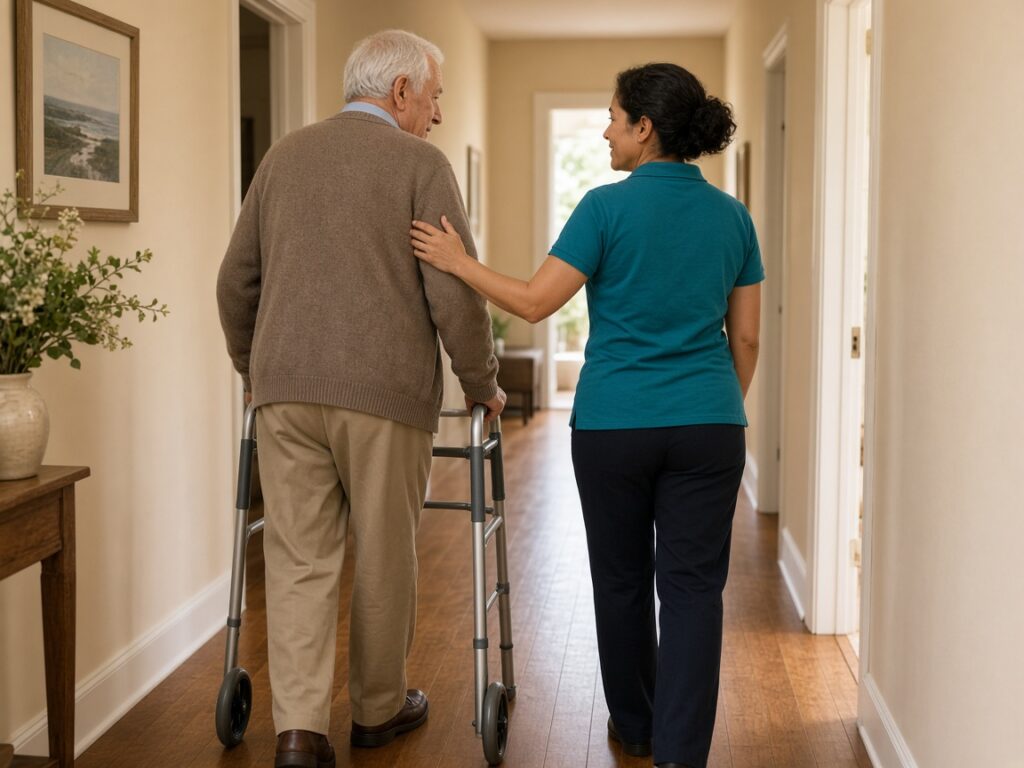
A physical therapist helps you get stronger and move more safely, such as walking, getting in and out of bed or a chair, and using stairs, often after a fall, surgery, or hospital stay.
Examples: exercises to rebuild strength and balance, practicing safe walking with a walker or cane, and getting in and out of bed or a chair.
Occupational therapy
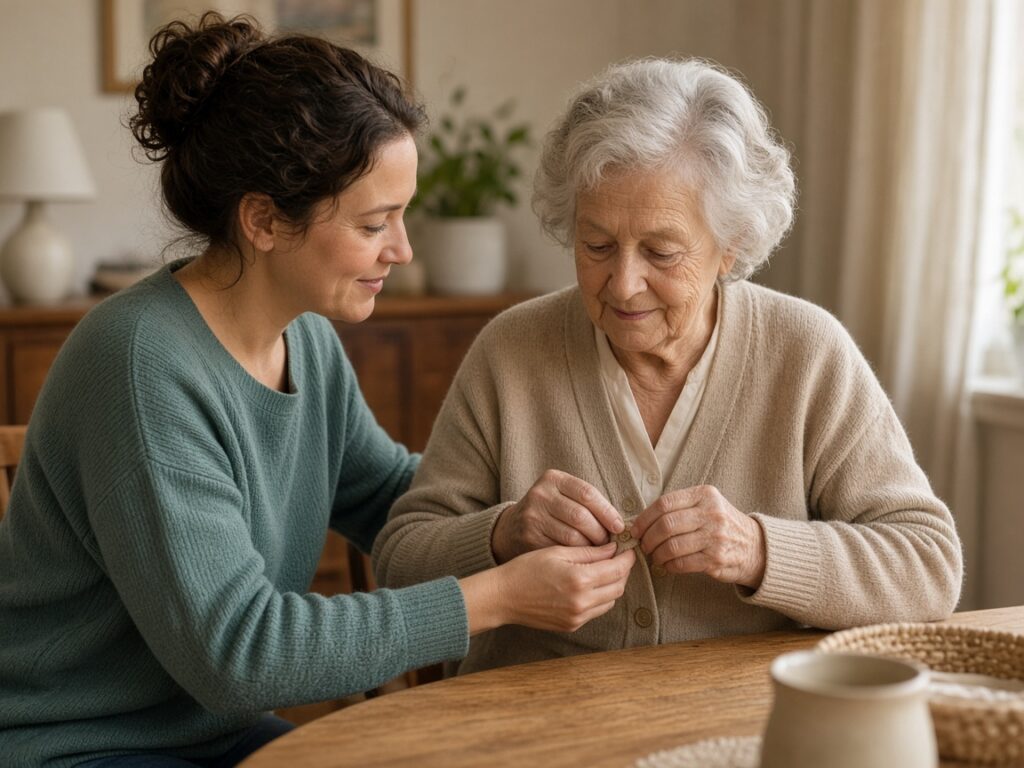
An occupational therapist helps you do everyday tasks on your own again, like dressing, bathing, and cooking, and may suggest simple changes at home to make them easier.
Examples: practicing dressing and bathing, using tools that make tasks easier, and safer ways to move around your kitchen and bathroom.
Speech therapy
A speech-language pathologist helps with speaking, understanding, memory, or swallowing, for example after a stroke or illness.
Examples: help with speaking or understanding words, memory exercises, and safer ways to swallow food and drinks.
Home health aide
An aide helps with personal care, like bathing, grooming, and help with walking, when you are also getting skilled nursing or therapy.
Examples: help with bathing, grooming, and walking. Medicare covers aide visits only when you are also getting skilled nursing or therapy.
Medical social services
A medical social worker can help you and your family with the emotional and practical side of an illness and connect you with community resources.
Examples: counseling for the stress of an illness, and help finding community resources and support.